
LINE STRIPING SERVICES IN HOW WIDE SHOULD WAREHOUSE AISLES BE?
How Wide Should Warehouse Aisles Be?'s Professional Line Striping & Pavement Marking Specialists
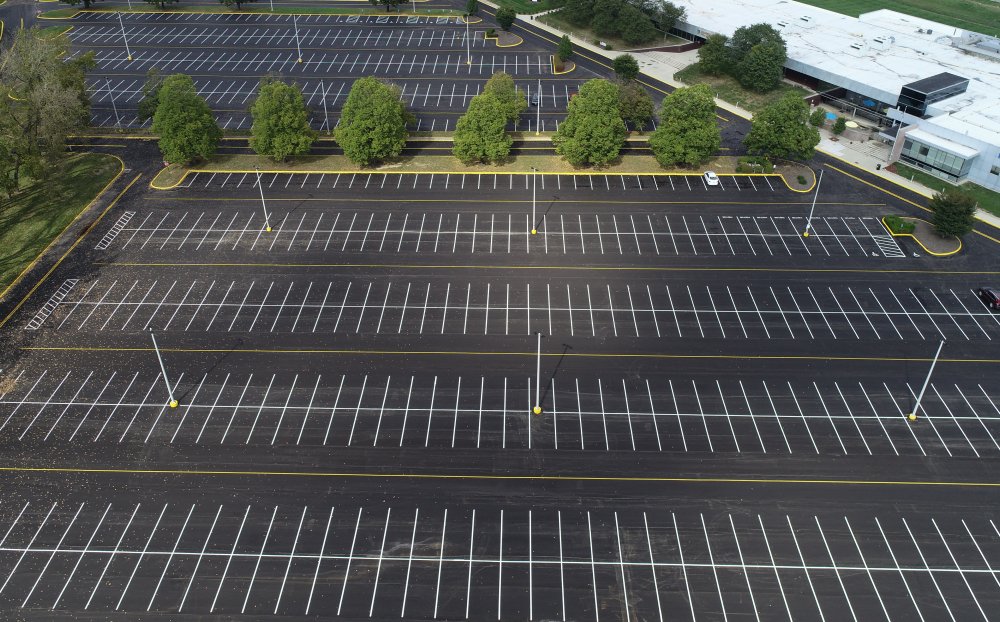
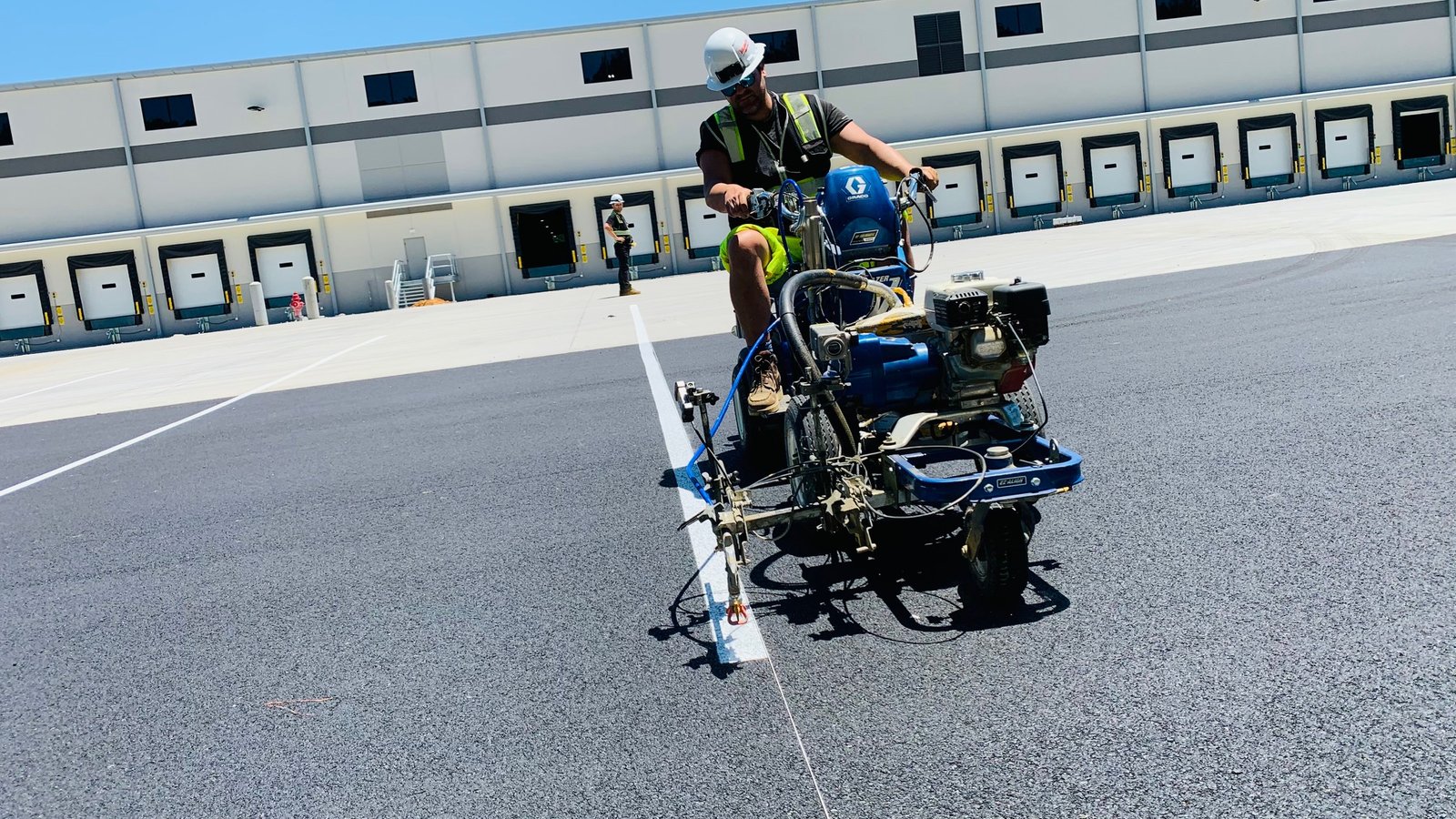
For over 30 years, commercial property managers across the Lowcountry have trusted us with their line striping and pavement marking projects. Whether you manage a retail center, warehouse, or commercial property in How Wide Should Warehouse Aisles Be?, our expert crews deliver precise, durable markings that withstand South Carolina's intense heat and coastal humidity.
How Wide Should Warehouse Aisles Be? Projects Include
We complete large-scale striping and pavement marking projects across every major commercial and industrial sector in How Wide Should Warehouse Aisles Be?.
Shopping Centers
Retail plazas, strip malls, and large shopping complexes throughout How Wide Should Warehouse Aisles Be?.
Office Complexes
Corporate campuses and multi-tenant office parks in How Wide Should Warehouse Aisles Be?.
Warehouses
Distribution centers and industrial facilities in the How Wide Should Warehouse Aisles Be? area.
Parking Garages
Multi-level and underground parking structures in How Wide Should Warehouse Aisles Be?.
Hospitals & Medical
Medical campuses and healthcare facility parking in How Wide Should Warehouse Aisles Be?.
Hotels & Resorts
Hospitality properties and resort parking areas near How Wide Should Warehouse Aisles Be?.
Schools & Universities
Educational institutions and campus parking in How Wide Should Warehouse Aisles Be?.
Industrial & Logistics
Freight yards, distribution hubs, and industrial facilities serving How Wide Should Warehouse Aisles Be?.
How Wide Should Warehouse Aisles Be?
Quick Answer
Warehouse aisle width depends on the equipment used. Standard counterbalance forklifts need 12-14 feet for safe operation, while narrow-aisle equipment can work in 8-10 feet or less.
Aisle Widths by Equipment Type
Counterbalance Forklifts
Most common warehouse equipment
- One-way traffic: 12-14 feet
- Two-way traffic: 14-16+ feet
- Account for: Load width, turning
- Standard: 13 feet typical
Reach Trucks
Narrow aisle capability
- Minimum: 8-10 feet
- Typical: 9-10 feet
- Requires: Trained operators
- Turret models: Even narrower possible
Order Pickers
Very narrow aisle (VNA)
- Minimum: 5-7 feet
- Wire-guided: Even narrower
- Specialized: Strict lane compliance required
Pallet Jacks (Powered)
Lower-height handling
- Electric pallet jacks: 6-8 feet
- Manual jacks: 5-6 feet
- May share: Wider aisles with forklifts
Pedestrian Only
Workers on foot
- Single direction: 28-36 inches minimum
- Two-way traffic: 44-48 inches
- ADA routes: 44 inches minimum
OSHA Requirements
OSHA requires:
- Permanent aisles clearly marked
- Sufficient clearance for safe operation
- Unobstructed passageways
- Safe pedestrian accommodation
OSHA doesn’t specify exact widths, but standards require:
- Equipment manufacturer clearances followed
- Safe turning without encroaching on storage
- Emergency egress maintained
Factors Affecting Width
Equipment Specifications
- Forklift turning radius
- Load center and width
- Equipment body dimensions
- Battery/propane fuel considerations
Operation Type
- One-way vs. two-way traffic
- Traffic volume/frequency
- Speed of operations
- Put-away vs. picking focus
Storage Configuration
- Pallet rack depth
- Selective vs. drive-in racks
- Floor stack heights
- Product characteristics
Safety Considerations
- Pedestrian separation
- Visibility at intersections
- Speed control requirements
- Error tolerance
Marking Requirements
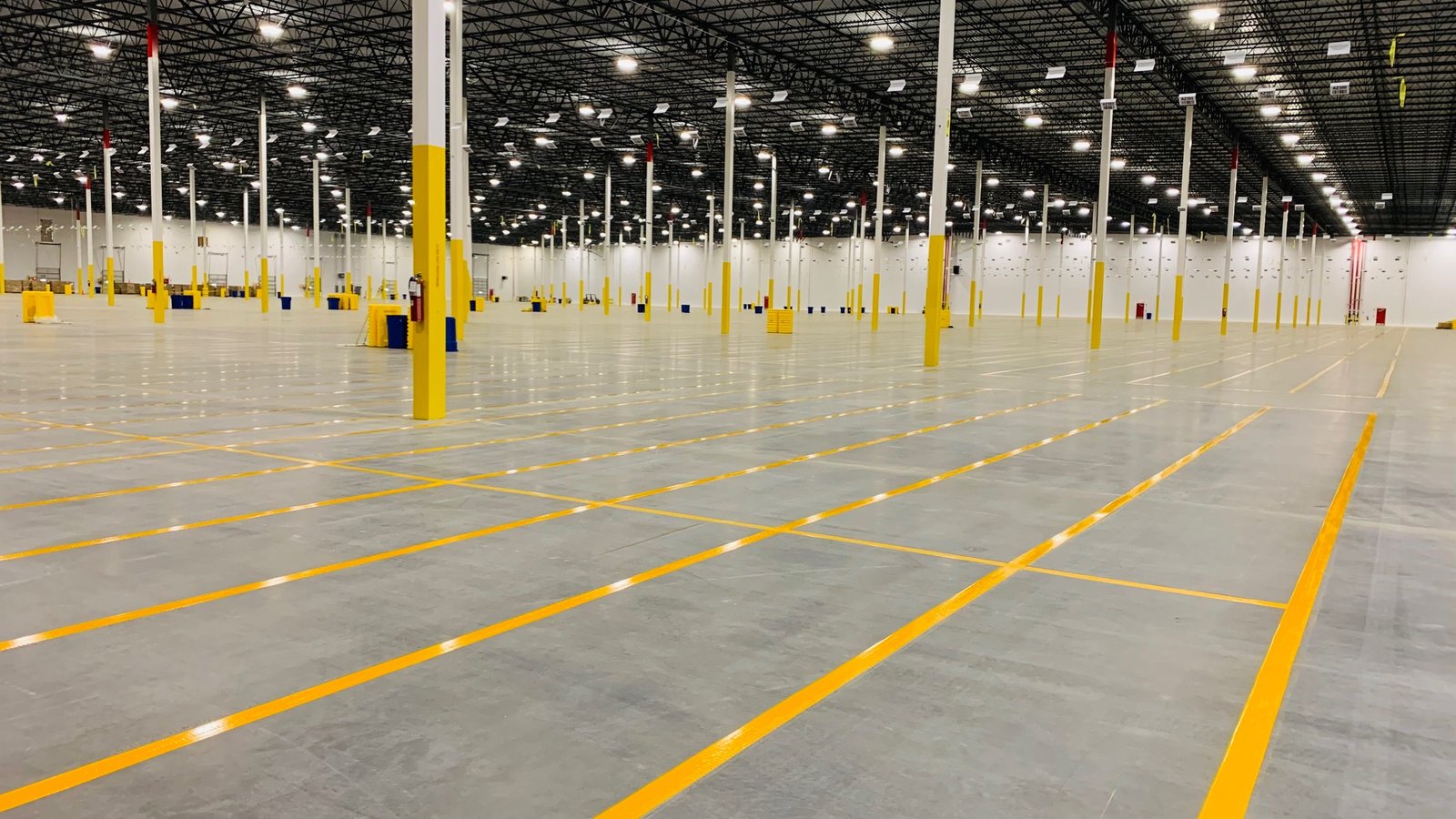
Proper aisle marking includes:
- Clear edge delineation
- Standard color coding (yellow typical)
- Intersection warnings
- Directional arrows where needed
- Pedestrian crossing points
Optimizing Aisle Width
Too Narrow
- Equipment damage
- Product damage
- Slower operations
- Safety incidents
Too Wide
- Wasted floor space
- Reduced storage capacity
- Higher operating costs
- Less efficient picking
Just Right
- Safe operations
- Efficient workflow
- Maximum storage
- Regulatory compliance
Special Considerations
Cross Aisles
- Wider for perpendicular travel
- Allow equipment turning
- Connect parallel aisles
- Emergency egress routes
Dock Approach
- Extra width for maneuvering
- Trailer approach angles
- Staging area integration
- Traffic management
Get Professional Warehouse Layout
Lowcountry Line Striping helps optimize warehouse aisle layouts and marking.
Call (854) 855-7002 for warehouse floor assessment.
With 32 years of experience since 1994, we understand warehouse operations and deliver effective floor marking throughout the Charleston area.
—
Lowcountry Line Striping – Warehouse Layout Experts in Charleston, SC
Phone: (854) 855-7002
Benefits of Professional Line Striping in How Wide Should Warehouse Aisles Be?
A well-marked property does more than look good — it protects your business and your customers.
Greatly Increases Curb Appeal
Fresh, bright markings create an immediate positive impression for visitors and tenants.
Provides Organization & Structure
Clear lane markings and directional arrows eliminate confusion and reduce congestion.
Maximizes Parking Spaces
Proper layout design ensures you get the most spaces out of your available lot area.
Tenant Satisfaction
Well-maintained parking areas show tenants you take pride in your property.
Increased Safety
Properly marked fire lanes, crosswalks, and no-parking zones protect everyone on your property.
Reduced Liability
ADA-compliant handicap spaces and fire lane markings help keep you in compliance with local regulations.
What How Wide Should Warehouse Aisles Be? Property Managers Say
"Lowcountry Line Striping did an outstanding job on our commercial property in How Wide Should Warehouse Aisles Be?. Their team was professional, efficient, and the results exceeded our expectations. All ADA spaces and fire lanes were perfectly marked."
"As a facility manager, I need reliable contractors who understand OSHA standards. Lowcountry Line Striping delivered on time, within budget, and with zero disruption to our operations. Highly recommend for any How Wide Should Warehouse Aisles Be? warehouse."
Our South Carolina Service Area
We provide professional line striping and pavement marking services throughout Metro Charleston and the entire South Carolina Lowcountry region.